Complaints Procedure for House Clearance Euston
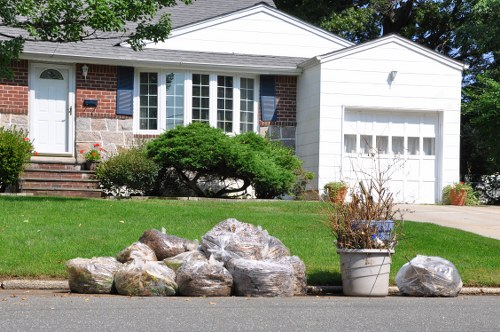 Purpose and scope. This Complaints Procedure sets out how we manage concerns about house clearance services in the Euston area, including house clearance services in Euston, rubbish removal and waste clearance tasks. It explains what constitutes a complaint, how reports are handled, expected timescales and the remedies that may be available. The policy applies to all engagements related to property clearance, removal of unwanted items and associated waste handling where a client or their authorised representative alleges that service standards have not been met.
Definitions and who may complain: a complaint is any expression of dissatisfaction about our performance, conduct, or services. Complaints may be raised by the person who commissioned the clearance, a tenant, an executor, or a duly authorised representative. Concerns about safety, environmental harm or potential statutory breaches will be treated with priority. This document avoids operational contact details and focuses on the process and expectations.
 How to submit a concern. A complaint can be made verbally, in writing, or through an authorised third party. When lodging a complaint, include: name of the service concerned, reference numbers if available, date(s) of the incident, a concise description of the issue and the remedy sought. If the complainant prefers, a summary of the concern may be provided first and expanded later. We recommend retaining any photographic evidence or documents related to the clearance, as these assist a thorough investigation.
Initial response and acknowledgement
On receipt, complaints are logged and acknowledged. The complaint will be assigned to a designated officer who will undertake an initial assessment to determine whether the matter can be resolved informally or requires a formal investigation. Acknowledgement confirms the complaint is being processed and outlines the next steps and anticipated timeframe. Where a complaint raises safety or environmental risk, the matter will be escalated immediately for urgent action.

Investigation process
The investigation may involve site notes, interviews with staff or contractors, review of job sheets, photographic records and any witness statements. The investigator will aim to be independent of those directly involved in the initial service delivery. Typical steps include:- Log and assign the complaint.
- Collect relevant records and evidence.
- Interview involved parties and review operations.
- Assess findings and recommend corrective action.
We aim to complete a substantive investigation within a defined period and provide a clear response describing findings, conclusions and proposed remedies. Timeframes may vary depending on complexity; where an extended investigation is necessary, interim updates will be provided.
Resolution and remedies. If the investigation finds that service shortcomings occurred, proportionate remedies may be offered. Remedies can include corrective action at the site, reimbursement for demonstrable losses, or other mutually acceptable solutions. Remedies are determined based on the circumstances and in accordance with relevant contractual or consumer protections. Where no fault is found, the complainant will receive a clear explanation of the reasons and supporting evidence.
 Escalation and review. If the complainant is not satisfied with the outcome, the complaint may be escalated internally to a senior manager for a further review. The escalation process reviews the original investigation, considers any additional evidence and, where appropriate, recommends a revised remedy. External independent review options may be referenced when internal escalation has been exhausted, without specifying third-party contact channels on this page.
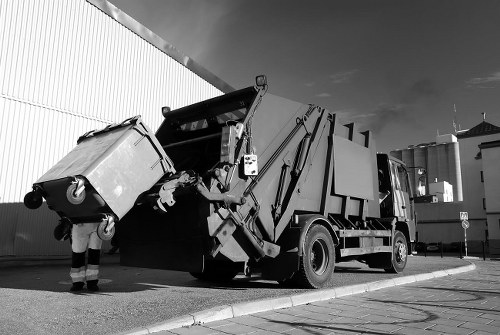 Recording, confidentiality and data handling. All complaints and related records are retained securely for audit and quality improvement purposes, in line with data protection principles. Access to complaint records is restricted to those who need it for investigation, management or legal compliance. Personal data collected as part of the complaints process will only be used to resolve the matter and to inform service improvements.
Timescales and expectations. We aim to provide an acknowledgement promptly and a full response within a reasonable period based on the nature and complexity of the issue. Simple matters may be resolved within days, while complex cases that require site re-inspection, third-party input or forensic review may take longer. All complainants will receive clear updates if additional time is required.
Good practice commitments: we commit to impartiality, transparency and a fair process. Investigations will be thorough and evidence-based. Staff involved in the complaint handling are trained in dispute resolution and customer care to ensure concerns are handled respectfully. Where training, procedure updates or supplier changes are required as a result of learned lessons, these will be implemented to reduce recurrence.
Monitoring and continuous improvement. Complaints are used as a key performance indicator to monitor service quality across house clearance operations, including rubbish removal Euston and broader waste clearance activities. Regular reviews of complaint trends inform policy updates, contractor performance reviews and staff training programs. The goal is to reduce repeat concerns and enhance customer confidence in our clearance and removal services.
Final notes. This procedure provides a clear, fair and consistent framework for raising and resolving complaints linked to house clearance provision. It is designed to balance timely resolution with a thorough, documented investigative process and to support continuous improvement in service delivery. Where a complainant requires clarification about the process steps outlined here, they may request further procedural information through the nominated channels provided at the point of service.
Scope reminders: this document relates to service standards, conduct and operational matters associated with house clearance and waste removal activities in and around the Euston service area. It does not serve as a legal contract or replacement for statutory rights; it should be read as a procedural commitment to effective complaint handling and remedial practice for property clearance services.